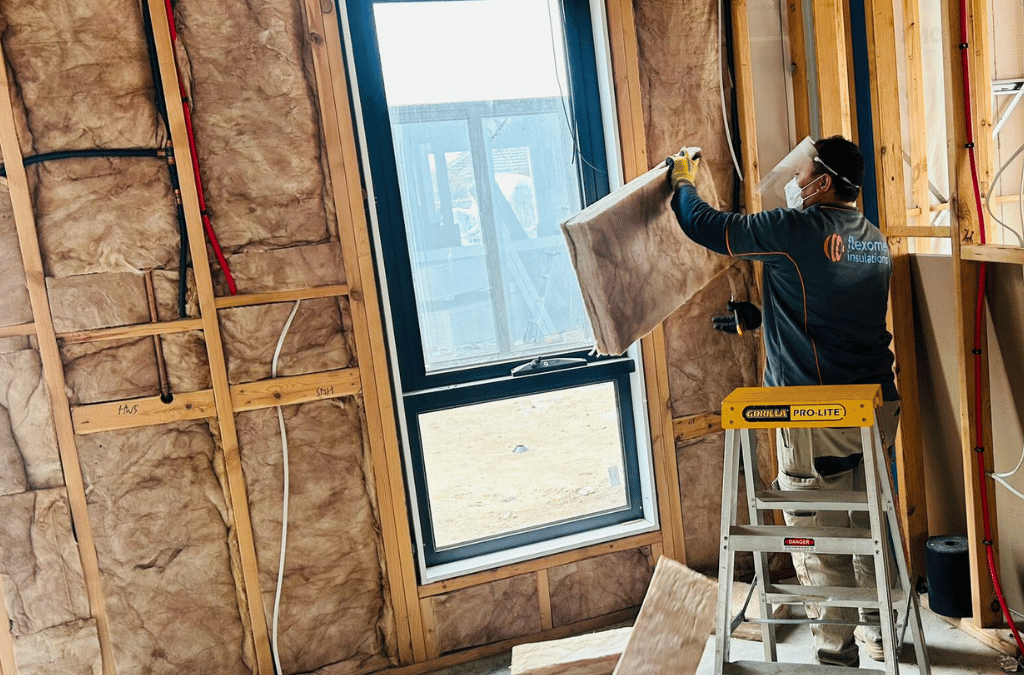
Every home battles the weather outside. In winter, warmth tries to escape through walls and ceilings. In summer, heat pushes its way in, turning rooms uncomfortable and forcing heaters or air conditioners to work harder. The key to maintaining a steady indoor climate isn’t simply bigger heating or cooling systems, it’s insulation. Acting as a thermal shield, insulation keeps your home warm when it’s cold and cool when the sun is blazing, all while reducing energy costs.
What Is Insulation and Why Does It Matter?
Insulation is the material that creates a barrier between the inside and outside of a house. It slows the flow of heat, keeping indoor temperatures stable regardless of outdoor conditions. Builders often describe it as part of a home’s “thermal envelope”, the roof, walls, floors, and windows that separate living spaces from the external environment.
The effectiveness of insulation is measured by its R-value, which shows how well the material resists heat flow. A higher R-value generally means better performance. Proper insulation not only improves comfort but also helps homeowners cut energy bills, protect the environment, and meet building standards for energy efficiency.
How Insulation Keeps Homes Warm in Winter
In cold weather, heat naturally moves from warmer indoor areas to cooler outdoors. Without insulation, warmth slips quickly through walls, ceilings, and floors, leaving rooms cold and drafty. Insulation slows this process by trapping air pockets within its fibers or foam structure. These air pockets resist conduction (heat moving through solid materials) and convection (heat carried by moving air).
For homeowners, the impact is noticeable. Rooms feel consistently warm instead of having chilly corners or cold floors. Heating systems run less often, lowering gas or electricity bills. A well-insulated home also reduces condensation on walls and ceilings, which can help prevent moisture damage over time.
How Insulation Keeps Homes Cool in Summer
Hot summers bring the opposite problem: outdoor heat tries to force its way indoors. Roofs and attics, in particular, can reach extreme temperatures—often over 60°C (140°F). Without insulation, this heat radiates into living areas, raising indoor temperatures and increasing reliance on air conditioning.
Insulation acts like a thermal shield. Bulk insulation materials slow the movement of heat through roofs and walls, while reflective foil or radiant barriers bounce radiant energy away before it enters the home. Together, they reduce the amount of heat that builds up indoors.
The result is a cooler, more comfortable environment with less need for air conditioning. That means lower summer energy costs and less strain on cooling systems, extending their lifespan.
The Science of Heat Transfer and Insulation
To understand how insulation works, it helps to look at the three main ways heat moves:
- Conduction – Heat flows through solid materials, like a metal spoon in hot water. Insulation materials slow this by using fibers or foam that trap air.
- Convection – Heat travels through moving air or liquid. Insulation blocks or slows air movement in wall cavities and roof spaces.
- Radiation – Heat transfers in straight lines, such as sunlight streaming through a window. Reflective insulation bounces radiant heat away.
By addressing all three forms of heat transfer, insulation creates a stable indoor climate that remains comfortable across the seasons.
Where to Install Insulation for Maximum Effect
Not all parts of a home lose or gain heat equally. Prioritizing key areas ensures insulation delivers the greatest impact:
- Roof and Ceiling – The most critical area, as up to 30–40% of heat can escape or enter through the roof.
- Walls – External walls contribute significantly to both heat loss in winter and heat gain in summer.
- Floors – Particularly important for homes with crawl spaces or unheated basements.
- Attics and Crawl Spaces – These buffer zones play a major role in overall thermal performance.
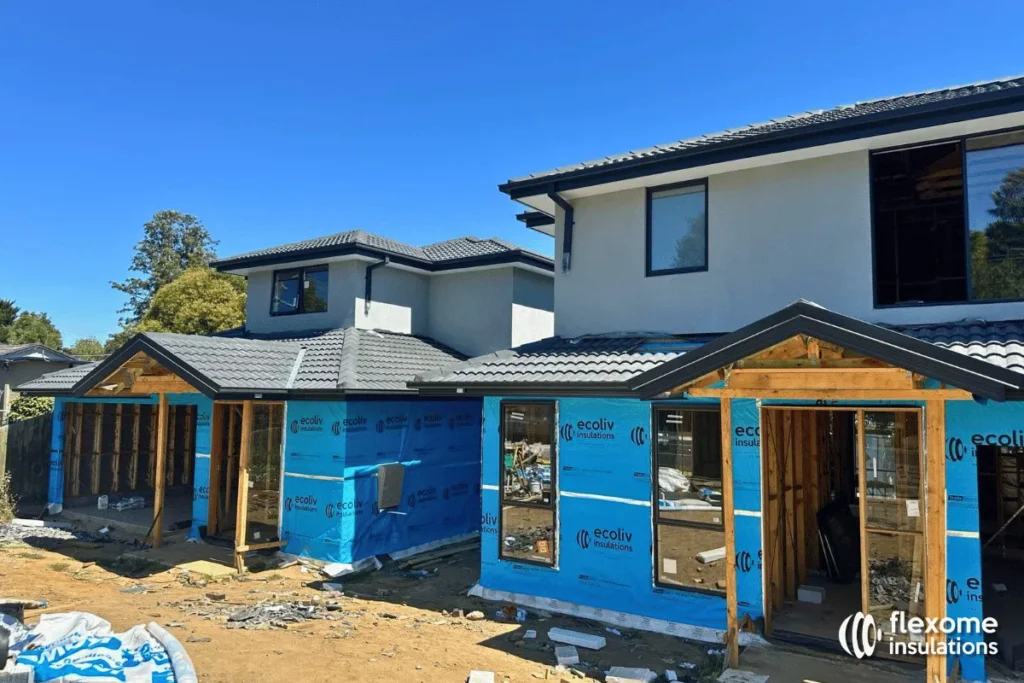
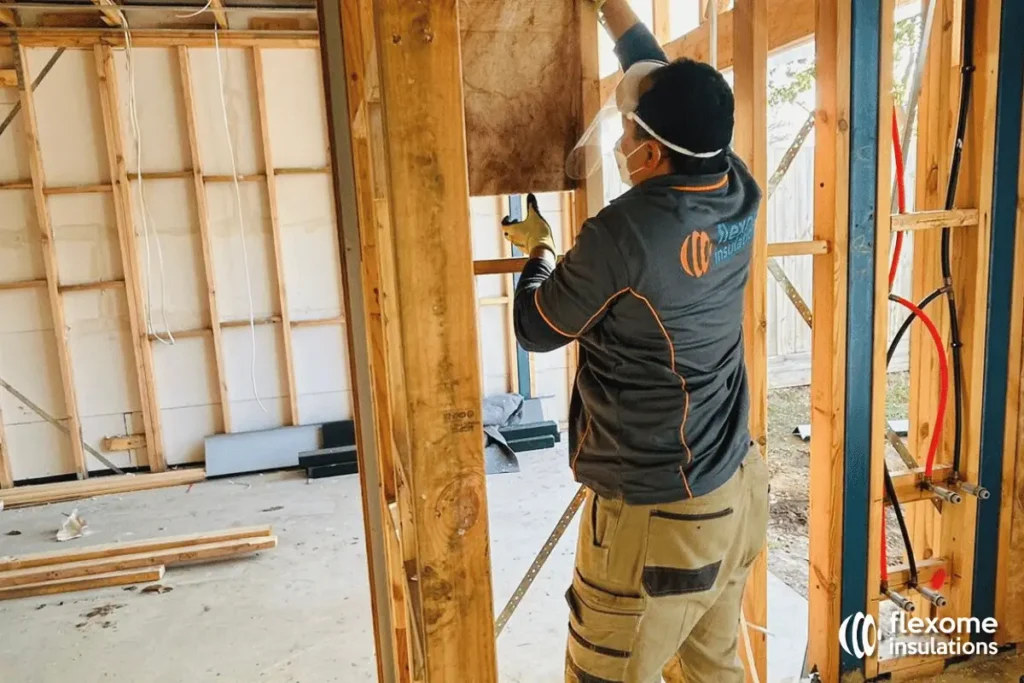
For new homes, insulation is included during construction. Existing homes can often be retrofitted with batts, blown-in cellulose, or foam depending on wall and ceiling cavities.
Types of Insulation Materials
Insulation isn’t one-size-fits-all. The best choice depends on climate, budget, and building design:
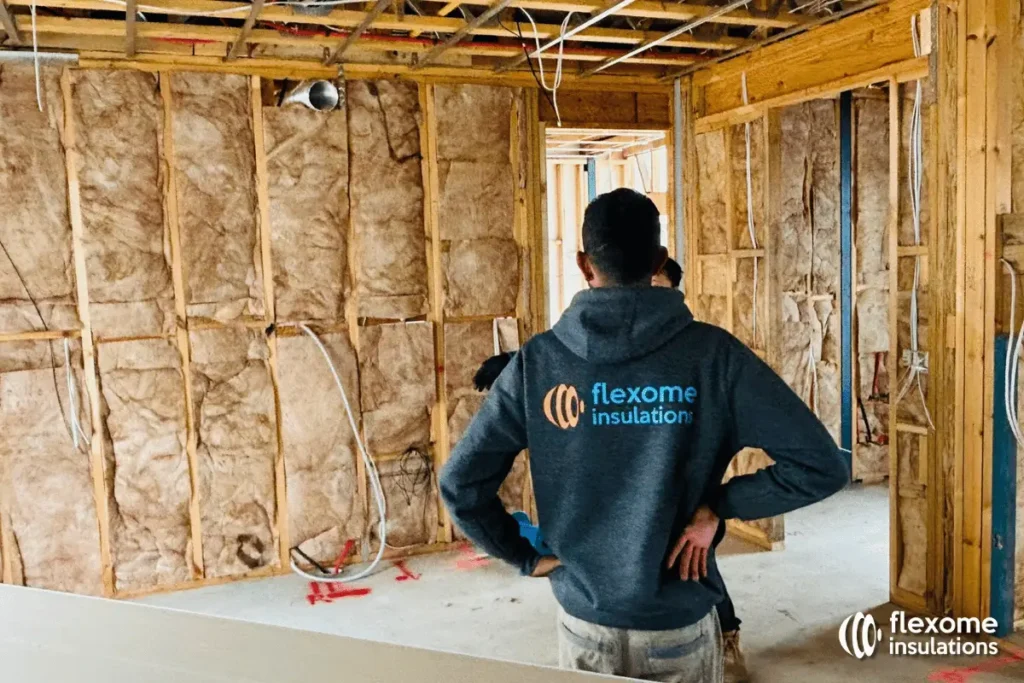
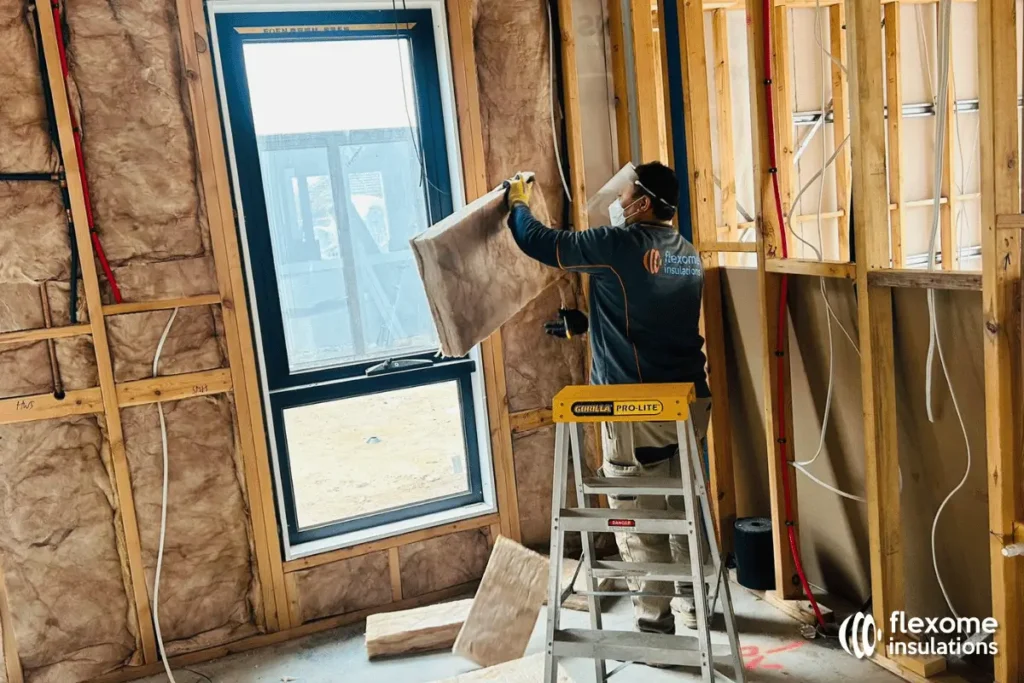
- Bulk insulation – Batts, rolls, or loose-fill made from fiberglass, cellulose, or natural fibers. These trap air and slow conduction.
- Spray foam – Expands to fill gaps and provides excellent air sealing.
- Rigid foam boards – High R-values in thinner layers, often used in walls or under floors.
- Reflective foil – Installed in roofs and walls to reflect radiant heat, especially effective in hot climates.
Many homes use a combination of these to achieve balanced year-round performance.
Key Benefits Beyond Comfort
Insulation delivers more than just temperature control:
- Lower energy bills – Studies, including CSIRO research, show insulation can reduce heating and cooling costs by up to 45%.
- Noise reduction – Bulk insulation absorbs sound, creating quieter living spaces.
- Sustainability – Using less energy reduces greenhouse gas emissions.
- Property value – Energy-efficient homes are more attractive to buyers and renters.
Final Thoughts
Insulation is one of the most effective upgrades a homeowner can make. By creating a barrier against unwanted heat flow, it keeps living spaces warmer in winter, cooler in summer, and consistently comfortable throughout the year. The financial and environmental benefits, lower energy bills, reduced emissions, and added property value, make it an investment that pays off quickly. For anyone looking to improve comfort and efficiency, insulation is the foundation of a truly energy-smart home.
Common Questions About Insulation
Yes. Insulation slows heat flow in both directions, so it keeps warmth inside during winter and prevents heat entry during summer.
The roof or ceiling, as this is where the largest proportion of heat loss and gain occurs.
Savings vary by climate and home design, but reductions of 20–45% in heating and cooling costs are common.
Absolutely. Options like blow-in cellulose or foam can be added to walls and ceilings with minimal disruption.
Yes. Bulk insulation in walls and ceilings helps absorb sound, improving acoustic comfort.
Ready to Improve Your Home’s Comfort?
If you live in Melbourne’s South East, Flexome Insulations can help you create a home that feels just right all year round. Our expert team supplies and installs high-quality insulation designed for local weather conditions, keeping your home warmer in winter, cooler in summer, and more energy-efficient. Get in touch today to find the best insulation solution for your home.